


This is the familiar “I know what I need” shopping trip.
Shoppers on replenishment missions are typically purchasing products they buy regularly. They are often focused on speed, convenience, and efficiency.
Their decision-making is usually driven by:
- Brand familiarity
- Availability
- Ease of finding the product
- Price and value
For these shoppers, brands need to minimize friction. Strong shelf visibility, recognizable packaging, and clear navigation help ensure the product is easy to locate and purchase.
The challenge: if shoppers cannot quickly find what they want, they may switch brands or choose an alternative.
- The Stock-Up Mission
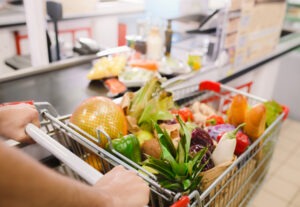
Stock-up shoppers are planning ahead. They may be preparing for a busy period, taking advantage of promotions, or purchasing larger quantities to reduce future shopping trips.
These shoppers often consider:
- Value
- Package size
- Shelf life
- Family needs
- Convenience
Brands can win stock-up missions by clearly communicating value and making larger formats or multi-packs easy to identify.
- The Immediate Need Mission
Sometimes shoppers are not browsing — they are solving a problem.
Examples include:
- Running out of an essential item
- Needing a quick meal solution
- Replacing a forgotten product
These shoppers are often highly task-oriented and have little patience for complexity.
Brands that succeed in these moments provide quick reassurance:
- Clear benefits
- Easy-to-understand solutions
- Strong visibility
- Simple decision-making
- The Discovery Mission

Discovery shoppers are open to exploring new products, brands, and experiences.
Unlike routine shoppers, they are more willing to consider alternatives. They may be influenced by:
- Packaging innovation
- New product claims
- Recommendations
- In-store displays
- Digital content
This is an important opportunity for emerging brands and innovation launches.
However, discovery requires attention first. If a product does not stand out quickly, shoppers may never consider it.
- The Inspiration Mission

Inspiration shoppers are looking for ideas rather than specific products.
Common examples include:
- Planning meals
- Preparing for celebrations
- Looking for healthier options
- Exploring new recipes
For these shoppers, brands can influence decisions by providing:
- Usage ideas
- Recipes
- Pairing suggestions
- Lifestyle benefits
The purchase decision often begins before the shopper reaches the shelf, making digital content and online experiences increasingly important.
- The Value-Seeking Mission

Today’s shoppers are increasingly focused on getting the best value — but value does not always mean the lowest price.
Value-seeking shoppers evaluate the overall benefit they receive, including:
- Quality
- Performance
- Convenience
- Quantity
- Brand trust
Brands can strengthen value perceptions by clearly communicating why their product is worth choosing.
Simply lowering price may not be enough. Shoppers need confidence that they are making a smart decision.
- The Treat or Emotional Purchase Mission
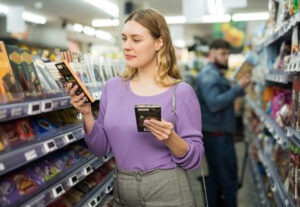
Not every purchase is practical. Many shopping decisions are driven by emotion.
Treat missions are often influenced by:
- Enjoyment
- Reward
- Comfort
- Indulgence
- Social occasions
These shoppers may be less price-focused and more influenced by sensory appeal, premium cues, and emotional connection.
Packaging, merchandising, and storytelling can play a major role in triggering these purchases.
Turning Shopping Missions Into Actionable Insights
Understanding shopping missions helps brands move beyond simply asking:
“Who buys our product?”
Instead, brands can ask:
“What is this shopper trying to accomplish, and how can we help them succeed?”
This shift creates opportunities to optimize:
- Shelf placement
- Packaging design
- Product portfolios
- Shopper marketing programs
- Digital experiences
- Retail strategies
However, identifying shopper missions requires more than demographic data or purchase behavior alone. Brands need to understand the behaviors, motivations, and decision processes happening in real shopping environments.
At Explorer Research, we help CPG brands uncover the motivations behind shopper decisions through behavioral science, shopper research, eye tracking, virtual shopping environments, and real-world observation. Our insights help brands understand what shoppers need, what captures attention, and what drives purchase decisions.
Ready to understand the shopping missions shaping your category? Contact Explorer Research to discover how shopper insights can help your brand create more relevant experiences and win at the moment of choice.