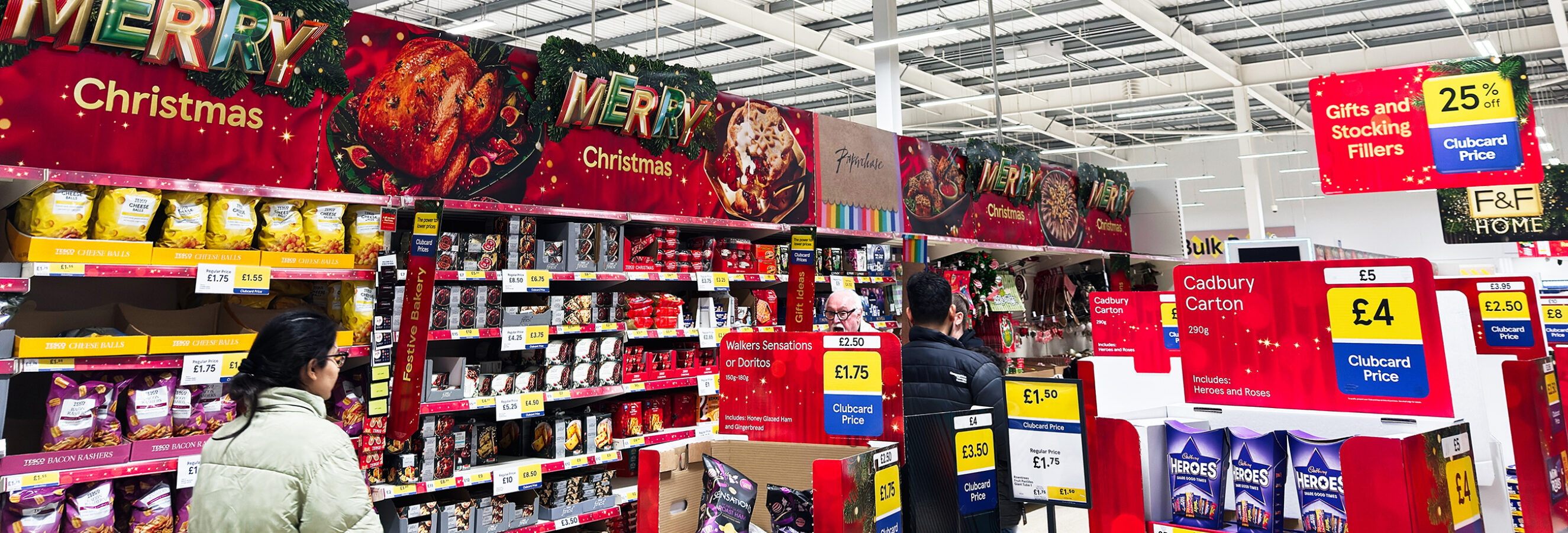
Holiday Innovation: Will Seasonal Products Drive Growth or Cannibalize Existing Sales?
From Halloween treats and festive packaging to limited-edition flavors and holiday gift sets, seasonal innovation is a familiar strategy for consumer packaged goods (CPG) brands. These products create opportunities to capture shoppers’ attention, generate excitement and encourage purchases during some of the busiest shopping periods of the year.
But there’s an important question behind every seasonal launch: Are holiday products bringing new sales to the brand, or simply shifting purchases away from existing products?
A seasonal product can deliver an impressive sales spike and still fall short of its growth potential. Understanding what motivates shoppers to buy—and whether a new offering changes their behavior—is essential to making seasonal innovation work harder.
The appeal of seasonal innovation
Seasonal products have several advantages. They give shoppers a reason to revisit familiar brands, create a sense of urgency through limited availability and provide retailers with opportunities to refresh displays and promotions.
For shoppers, holiday-themed products can also make everyday purchases feel more relevant to the occasion. A festive package, limited-edition flavor or specially designed gift set may stand out in a crowded category.
However, novelty alone doesn’t guarantee incremental sales. Shoppers may simply choose a seasonal version instead of the regular product they would have purchased anyway. In that case, the new item could be successful at the individual product level without delivering meaningful growth for the overall brand or category.
Four questions to ask before launching
1. Are you attracting new buyers?
One of the biggest opportunities for seasonal innovation is bringing new shoppers into a brand. A limited-edition product may appeal to people who don’t normally buy the brand, encourage lapsed buyers to return or introduce the product to a new usage occasion.
The critical question is whether the seasonal offering expands the brand’s customer base or mainly appeals to existing loyal buyers.
Research into shopper motivations, product appeal and purchase barriers can help identify which audiences are most likely to respond—and what might persuade them to try something new.
2. Is the product creating a new purchase occasion?
Some seasonal products encourage shoppers to buy something they wouldn’t otherwise purchase. Others simply replace a regular item in an existing shopping trip.
For example, a holiday gift pack may attract incremental spending by serving a gifting need. A festive version of a familiar snack, on the other hand, may replace the standard package without increasing the amount purchased.
Understanding the occasion, need or motivation behind the purchase helps brands determine whether innovation is expanding demand or redistributing it.
3. Is novelty translating into shelf impact?
Seasonal products often compete for attention alongside established bestsellers, promotional displays and other holiday launches. Even an appealing concept can struggle if shoppers don’t notice it, understand what makes it different or find it easy to choose.
Packaging, color, messaging, placement and the surrounding assortment all influence how a product performs at shelf.
Shopper research can help reveal whether a seasonal design communicates the occasion clearly, stands apart from competitors and gives shoppers a compelling reason to buy. These insights can be especially valuable before production and retail distribution decisions are finalized.
4. Is the innovation delivering profitable growth?
Strong initial sales don’t necessarily tell the whole story. Brands also need to consider whether the seasonal product affects sales of existing items, requires additional promotional support or creates inventory challenges when the season ends.
Evaluating the broader impact helps distinguish a promising launch from one that generates temporary excitement without improving overall performance.
Test the opportunity before the season begins
Seasonal launches often operate within tight timelines. Once packaging is printed, production is underway and retail commitments are made, there may be limited opportunity to correct a weak proposition.
Testing concepts before launch can help brands understand which ideas resonate most with shoppers, what differentiates the product and whether the seasonal proposition is strong enough to influence purchase decisions.
Depending on the question, research might explore packaging alternatives, product concepts, shelf visibility, purchase intent or how shoppers navigate a simulated retail environment. The goal is to identify potential barriers and opportunities early enough to make informed decisions.
After launch, sales and shopper data can help determine whether the product reached its intended audience and what should be carried forward into the next seasonal cycle.
Make seasonal innovation work harder
Holiday innovation should do more than generate short-term excitement. The strongest opportunities connect a genuine shopper need with a distinctive product proposition—and deliver value beyond simply replacing an existing purchase.
By understanding how shoppers perceive, discover and choose seasonal products, CPG brands can make more confident decisions about which concepts to develop, how to position them and where to invest.
Want to make your next seasonal launch count?
Explorer Research helps CPG brands and retailers understand the behaviors and motivations that shape shopper decisions. Through shopper research, eye tracking and immersive testing, we can help you evaluate product concepts, assess packaging and shelf impact, and uncover opportunities to strengthen your proposition before launch.
Contact Explorer Research to explore how shopper insights can help you develop seasonal products that stand out, connect with shoppers and create opportunities for meaningful growth.