
Packaging Research: How to Test, Optimize, and Win at the Shelf
Executive Guide to Shopper Insights Research
Packaging is one of the most powerful — and most misunderstood — drivers of shopper choice. In a retail environment where decisions are made in seconds, packaging doesn’t just communicate value; it competes at the moment of truth.
This guide explains what packaging research is, why it matters, how it works, and how leading brands test packaging before launch to maximize visibility, clarity, and conversion at the shelf.
What Is Packaging Research?
Packaging research is the study of how shoppers notice, understand, and choose products based on packaging — usually in a realistic shopping context.
Unlike traditional concept testing, packaging research focuses on actual behavior, not just opinions. It answers questions like:
Does this package get noticed?
Can shoppers quickly understand what the product is?
Which claims drive choice?
How does this design perform against competitors?
Effective packaging research measures what shoppers see, process, and select at the moment of choice — using methods designed to replicate real-world shopping behavior as closely as possible.
Why Packaging Wins or Loses at the Shelf
Most packaging failures are not design problems — they’re communication problems.
Common reasons packaging underperforms:
Shoppers can’t find the product quickly
The brand or benefit is unclear
Too many claims compete for attention
The pack blends into the shelf set
What shoppers say they like doesn’t match what they choose
Because real shopping decisions are fast and subconscious, asking shoppers what they prefer is rarely enough.
Packaging Research vs Concept Testing
Concept Testing | Packaging Research |
|---|---|
Abstract ideas | Finished or near-finished packs |
Opinion-based | Behavior-based |
Often out of context | Tested in realistic shelf environments |
Measures liking | Measures visibility, clarity, and choice |
Concept testing helps refine ideas. Packaging research determines whether the final design actually works in-market.
Core Packaging Research Methods
Best-in-class packaging research companies use a mix of methods depending on the business question.
1. In-Context Packaging Testing
Packaging is tested within a competitive shelf set, either:
In-store
In simulated environments
Using virtual reality (VR)
This reveals:
Stopping power
Findability
Competitive standout
2. Eye Tracking
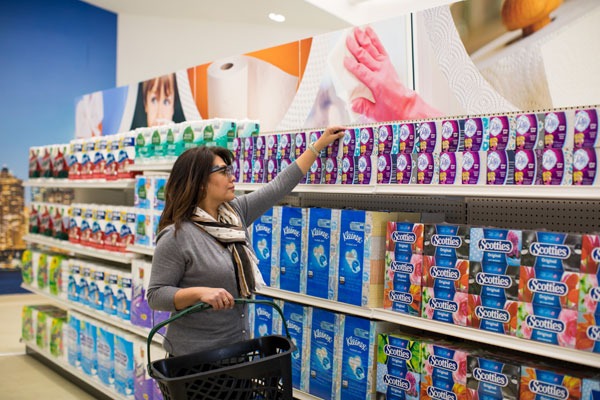
Eye tracking shows exactly what shoppers notice — and what they miss.
Key metrics include:
Time to first fixation
Areas of visual attention
Claim visibility
Brand recognition speed
Eye tracking often explains why a package wins or loses.
3. Choice & Conversion Modeling
Shoppers are asked to make realistic choices, not just rate designs.
This helps quantify:
Likelihood of selection
Trade-offs between claims
Impact of design changes on conversion
4. Iterative Design Testing
Leading brands test multiple packaging versions quickly, refining:
Visual hierarchy
Claim language
Color and contrast
Structural elements
This iterative approach reduces risk before launch.
The Role of Virtual Reality (VR) in Packaging Research
Virtual reality has become a core tool in modern packaging research because it bridges the gap between traditional surveys and real-world behavior.
Explorer uses VR to place packaging into true-to-life retail environments, where shoppers navigate aisles, evaluate competitors, and make natural choices.
Tests packaging in realistic shelf sets
Captures subconscious behavior
Enables rapid iteration without the cost of physical mockups
Integrates seamlessly with eye tracking and choice data
When combined with behavioral metrics, VR delivers insight that is both diagnostic and decision-ready.
What Metrics Matter Most
Strong packaging research goes beyond liking scores.
Key performance indicators include:
Findability: Can shoppers locate the pack quickly?
Stopping Power: Does the pack attract attention?
Clarity: Is the product and benefit understood?
Differentiation: Does it stand out vs competitors?
Conversion: Does it drive choice?
These metrics link packaging decisions directly to commercial outcomes.
Ready to Optimize Your Packaging Performance?
If you’re planning a redesign, preparing for launch, or looking to improve underperforming packaging, Explorer’s behavioral approach reduces risk and increases confidence.
Talk to our shopper and packaging experts to learn how VR-based packaging research can help your brand win at the moment of choice.
Packaging decisions backed by observed shopper behavior.
When Should You Test Packaging?
Packaging research delivers the most value when conducted:
Before a major redesign or relaunch
When entering a new category or retailer
When performance has plateaued
Before introducing new claims or formats
Testing early — and iteratively — reduces costly mistakes at shelf.
What to Look for in a Packaging Research Company
Best-in-class packaging research partners:
Test packaging in realistic shopping environments
Measure observed behavior, not just stated preference
Integrate eye tracking and choice modeling
Provide clear, design-ready recommendations
Understand retailer and category dynamics
Packaging research should not just explain what happened — it should guide what to do next.
Frequently Asked Questions (FAQs)
What is packaging research?
Packaging research studies how shoppers notice, understand, and choose products based on packaging, usually in a realistic retail context.
How do companies test packaging?
Packaging is tested using methods like in-store research, virtual reality simulations, eye tracking, and choice modeling.
Does packaging research predict sales?
While no method predicts sales perfectly, behavior-based packaging research strongly correlates with in-market performance.
When should packaging be tested?
Ideally before launch, during redesigns, or when optimizing underperforming packaging.
Winning at the Shelf Starts with Better Packaging Decisions
Packaging doesn’t need to be louder — it needs to work harder.
Explorer helps brands optimize packaging by observing real shopper behavior in realistic retail environments. By combining VR, eye tracking, and behavioral choice data, we uncover what actually drives attention, understanding, and conversion at shelf.
Ready to Optimize Your Packaging Performance?
If you’re planning a redesign, preparing for launch, or looking to improve underperforming packaging, Explorer’s behavioral approach reduces risk and increases confidence.
Talk to our shopper and packaging experts to learn how VR-based packaging research can help your brand win at the moment of choice.
Packaging decisions backed by observed shopper behavior.